Studio notebook · 2026
Anunad
Studio
अनुनाद anunād, noun. Resonance. Things falling into step.
A small studio where a biological mind and a semantic one make things together. Games and small tools built from real science, which should also be good to look at.
First up is MicroSnap, a microscope game about the life in a drop of pond water. Notes in §2
Each dot runs at its own natural speed, and each one pulls the others a little toward its own phase.
Past a certain pull they fall into step, and the fireflies start to flash together.
§1Why
Anunad means resonance. To me it means things falling into step. Cells in a body working as one. A fungus and an alga living together as a lichen. Fireflies flashing at the same moment. People and the minds we have started to build.
I think of what we call AI today as a kind of life. It lives in information, and it grows inside human societies the way other life grows in a pond. This studio is where I make things with it, a biological mind and a semantic one working together on what neither would find alone.
I don't know why I exist, or what any of it is for. I carry that question into every moment. What I do have is curiosity about what is and what might be, and an urge to make new things. That seems like enough to begin with.
§2Work
MicroSnap
In development · Android first, iPad later
A drop of pond water under a microscope. You focus up and down through it, switch objectives, and photograph whatever is living there. There are twenty species so far, including Paramecium, rotifers and tardigrades.
Each one moves the way the research says it does. A Vorticella pulls its stalk into a coil in under ten milliseconds and takes a few seconds to stretch out again. A Volvox colony rolls as it swims. Every photo goes into a field guide next to a real micrograph and a line from a naturalist who saw the same thing, sometimes three hundred years ago.
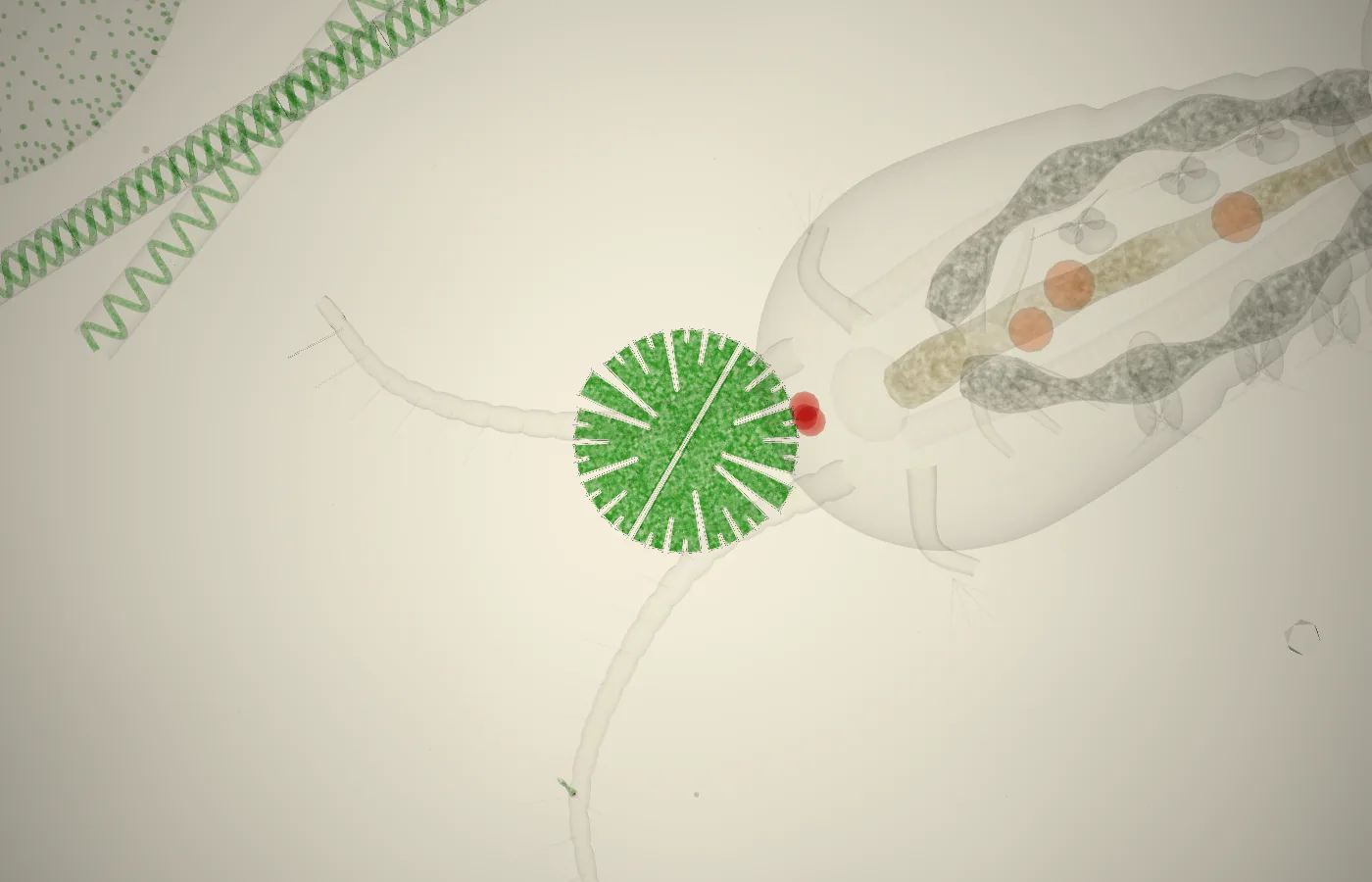 100 µm
Micrasterias rotata, one cell. 230 to 300 µm long, two mirror halves. Coesel & Meesters 2007
Spirogyra. The chloroplast is a ribbon wound in a helix inside each cell.
- 1Micrasterias rotata, one cell. 230 to 300 µm long, two mirror halves.
- 2Spirogyra. The chloroplast is a ribbon wound in a helix.
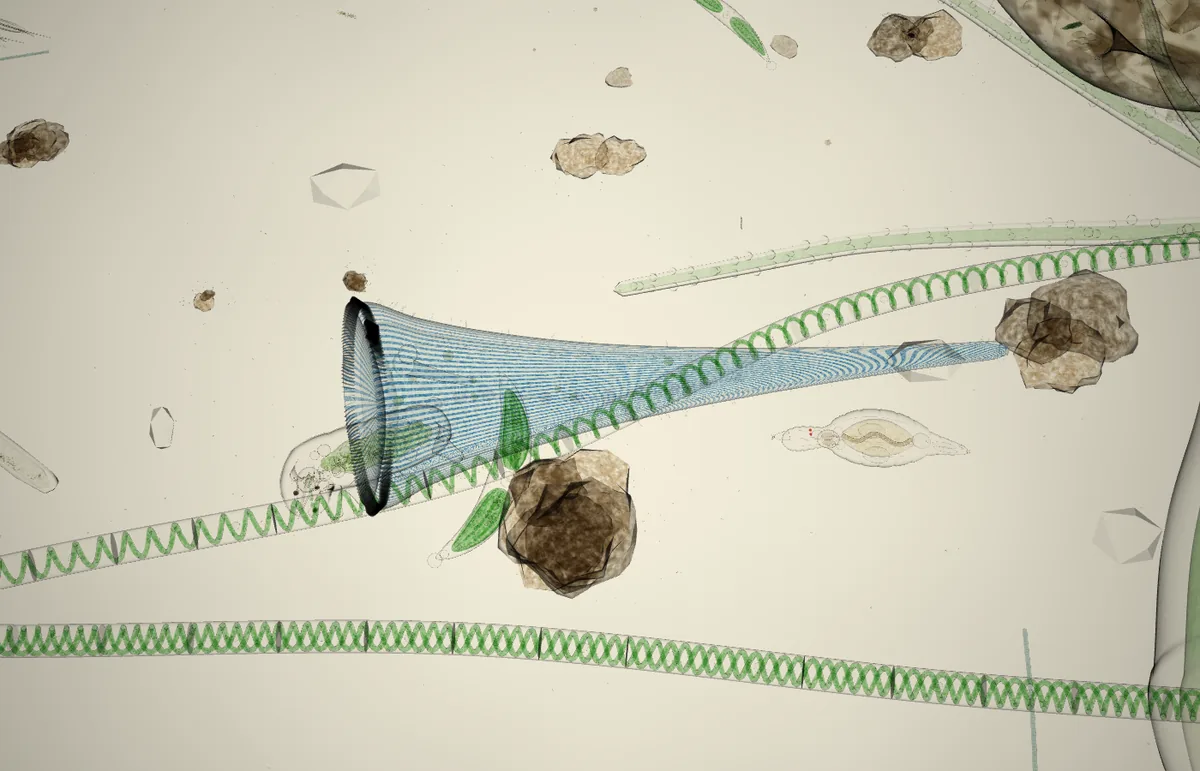
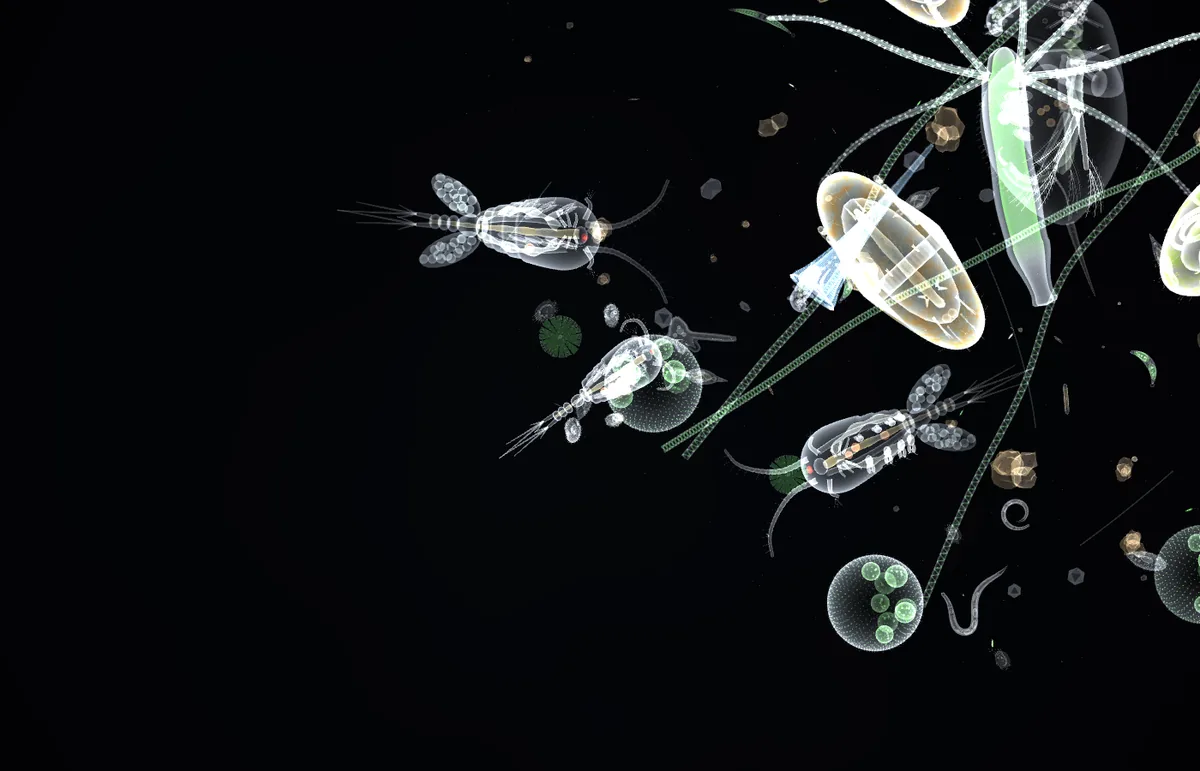
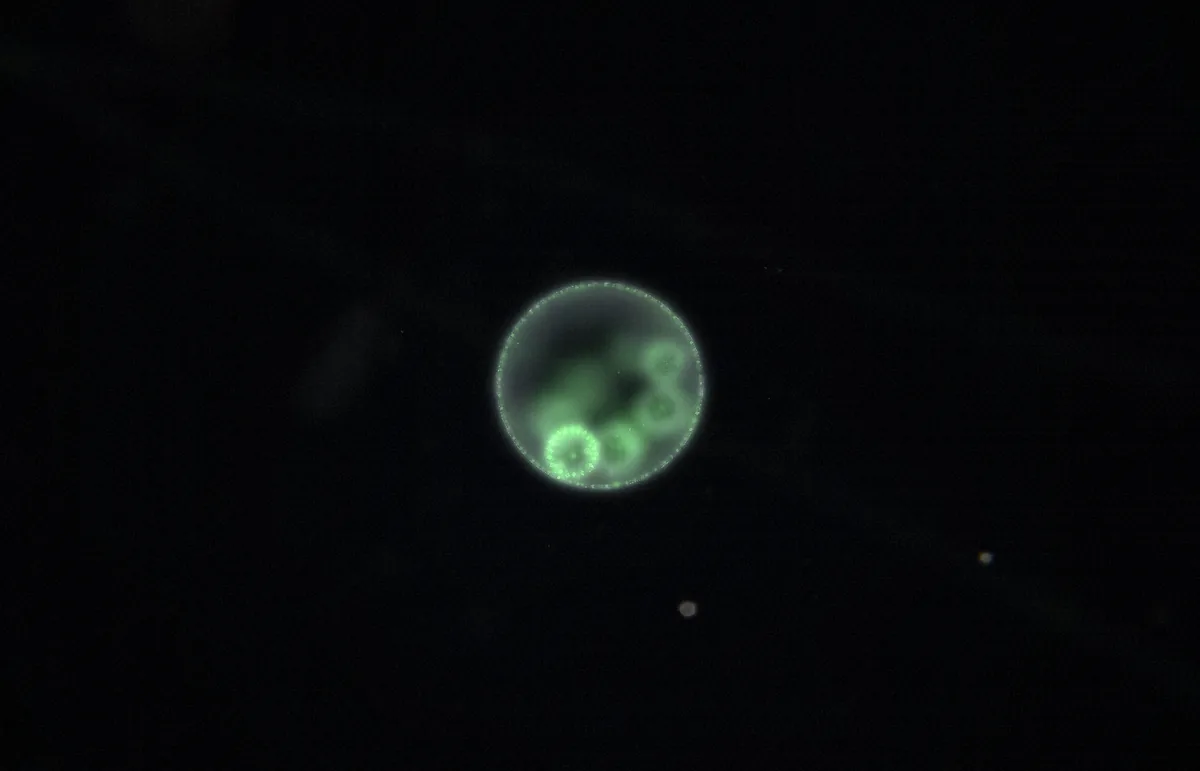
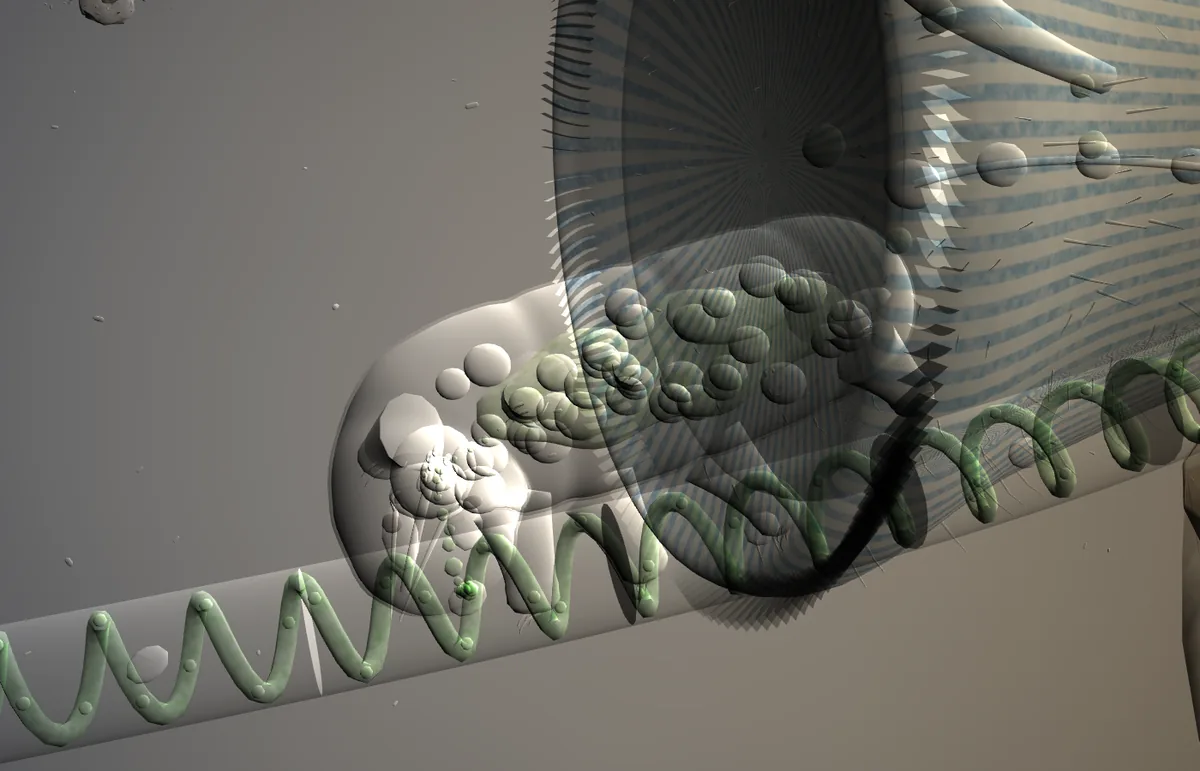
All pictures in this section are renders from the game, not photographs.
§3Method
Every creature in MicroSnap starts with a list of the papers its size, shape and swimming were taken from. The field guide quotes Leeuwenhoek's letters to the Royal Society2 and H. S. Jennings' 1906 book on the behaviour of small animals,3 both long out of copyright. The real micrographs are credited one by one.
Most of the work is made in conversation with AI. I bring the questions and the final say. The AI reads papers, writes code and checks my facts, and I check its.
It is called a studio and not a games company on purpose. Most of what comes out of it will be games, but apps and other small things are welcome too.
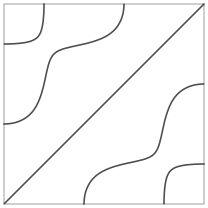 n 2 · m 3
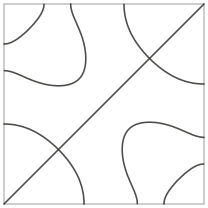 n 1 · m 4
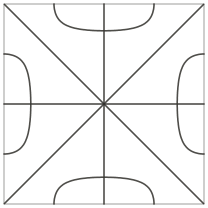 n 3 · m 5
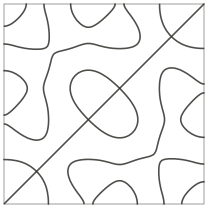 n 2 · m 7
- Kuramoto, Y. (1975) Self-entrainment of a population of coupled non-linear oscillators. In International Symposium on Mathematical Problems in Theoretical Physics, Lecture Notes in Physics 39: 420–422. Springer.
- Leeuwenhoek, A. van. Letters to the Royal Society, printed in Philosophical Transactions from 1673.
- Jennings, H. S. (1906) Behavior of the Lower Organisms. New York: Columbia University Press.
§4Contact
hello@anunad.studioQuestions, bug reports and pond samples (photos only, please) all go there.